
What is the most important metric for contractor lead quality?
The most critical metric is not "Cost Per Lead" (CPL), but "Cost Per Acquisition" (CPA). A $20 lead that never answers the phone is infinitely more expensive than a $100 lead that closes a $10,000 job. Contractors must track "Response Time" (under 5 minutes), "Appointment Set Rate" (aim for >60%), and "Close Rate" to determine true ROI. High-volume, low-quality leads drain your sales team's morale and time, costing you more than just the ad spend.
In the world of home services, there is an obsession with volume. "I want 100 leads a month!" screams the ambitious HVAC owner. But here is the dirty secret marketing agencies won't tell you: Volume is vanity. Profit is sanity.
If you generate 100 leads but only close 2 of them, you haven't built a marketing engine; you've built a money pit. The goal isn't to get the phone to ring more; it's to get the *right* people to ring it.
Metric 1: Speed to Lead (The 5-Minute Rule)
This is the single biggest failure point for contractors. Data from Harvard Business Review shows that companies who contact a lead within the first hour are 7 times more likely to qualify the lead than those who wait even an hour later.
But in 2026, "an hour" is way too slow. You have 5 minutes. After 5 minutes, the homeowner has likely called the next plumber on the list. If you aren't automating your first response (SMS/Email), you are throwing verified leads into the trash.
Metric 2: Appointment Set Rate (ASR)
This metric tells you how good your Dispatch/CSR team is. If you get 10 calls and only book 2 appointments, you don't need more leads; you need better scripts.
Healthy Benchmark: 60% - 80%
If your ASR is below 40%, stop spending on ads immediately. Fix your intake process. Train your team to sell the *appointment*, not the job.

Metric 3: Cost Per Acquisition (CPA) vs. Cost Per Lead (CPL)
This is where the pros separate themselves from the amateurs.
The Math of Failure:
- Scenario A (Cheap Leads): You buy 100 shared leads at $20 each. Total spend: $2,000. You close 1 job for $5,000. CPA: $2,000.
- Scenario B (Premium Leads): You get 20 exclusive SEO leads (investment time/content). You close 8 jobs for $40,000. CPA: $0 (technically time investment).
Don't ask "How much per lead?" Ask "How much to buy a customer?"
| Metric | Definition | Target |
|---|---|---|
| CPL (Cost Per Lead) | Total Ad Spend / Number of Leads | $30 - $150 (Trade dependent) |
| CPA (Cost Per Acquisition) | Total Ad Spend / Number of Closed Jobs | 10% - 15% of Job Value |
| ROAS (Return on Ad Spend) | Revenue Generated / Ad Spend | 5:1 or higher |

Metric 4: The "Show Rate"
You booked the appointment, but did they show up? Or were they a ghost? A low show rate (below 85%) usually means your follow-up process is weak.
The Fix: Confirmation automation. Send a text 24 hours before, and another one "on the way." Show the homeowner a photo of the technician coming to their house. This builds trust and accountability.
Stop Guessing. Start Measuring.
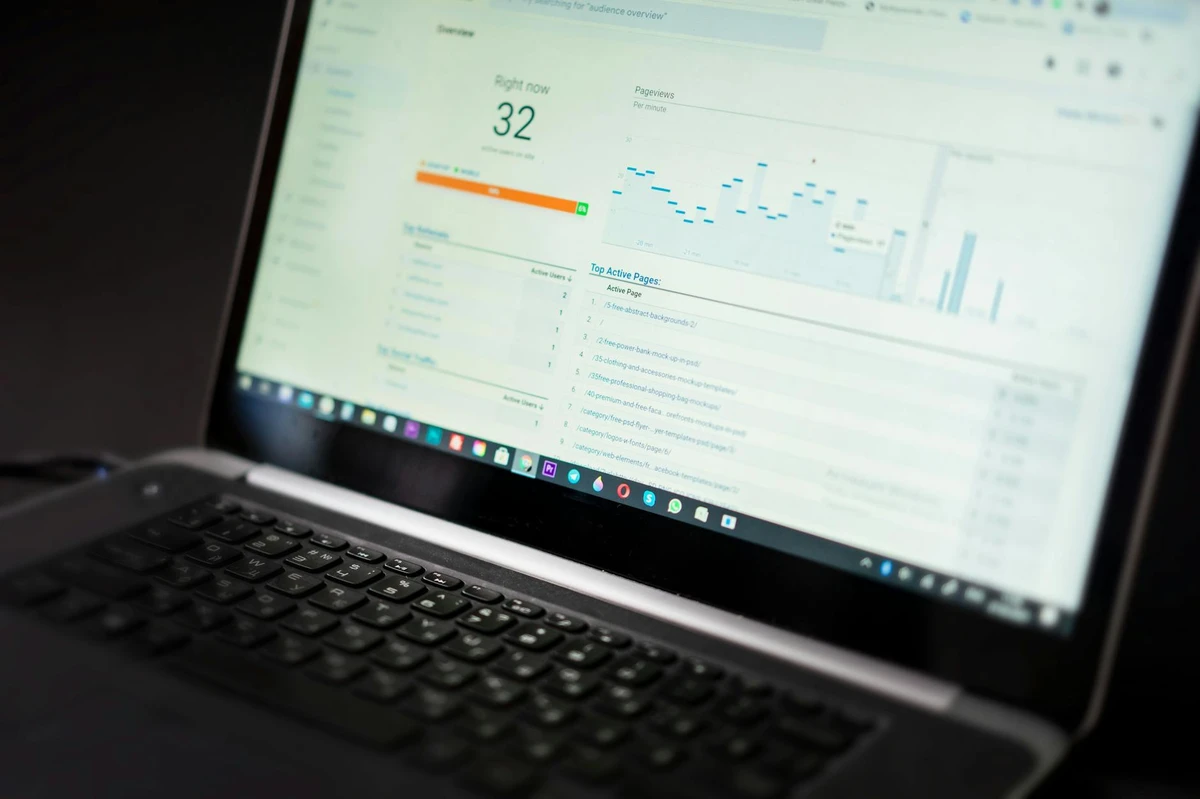
We build automated dashboards that track every dollar from "Click" to "Cash in Bank."
Audit My Metrics
FAQ: Tracking Success
Q: What CRM should I use to track this?
For home services, ServiceTitan, Housecall Pro, and Jobber are the gold standards. They track the entire
lifecycle of the customer.
Q: My closing rate is low. Is it the leads?
It might be. If you are buying shared leads, a low close rate (10-20%) is normal. If you are generating
exclusive leads, your close rate should be 40%+. If it's not, look at your pricing and sales training.
