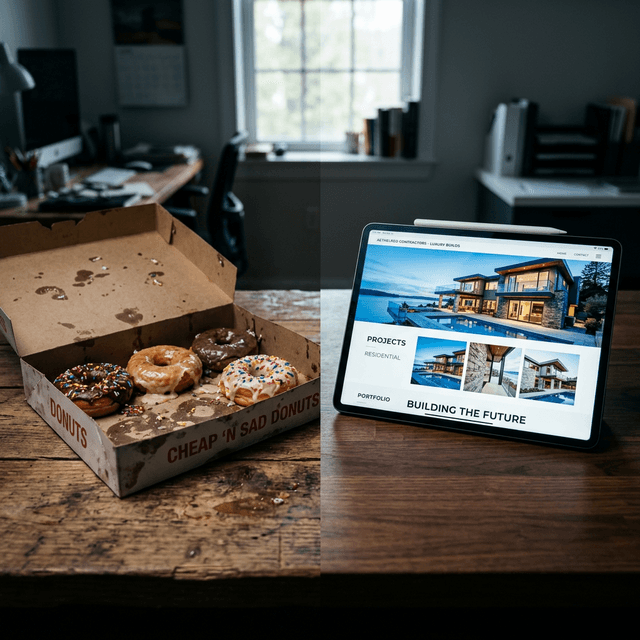
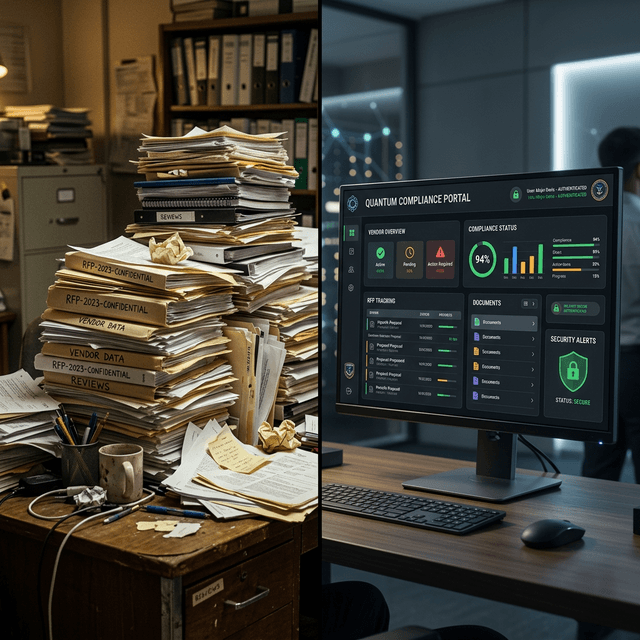
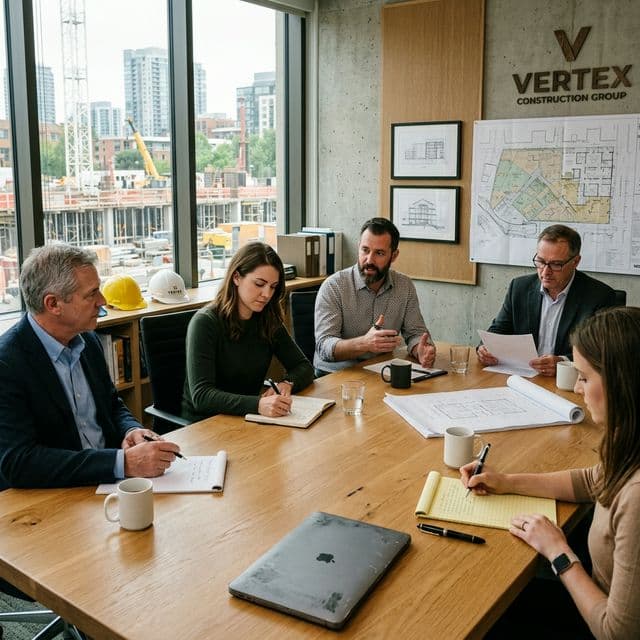
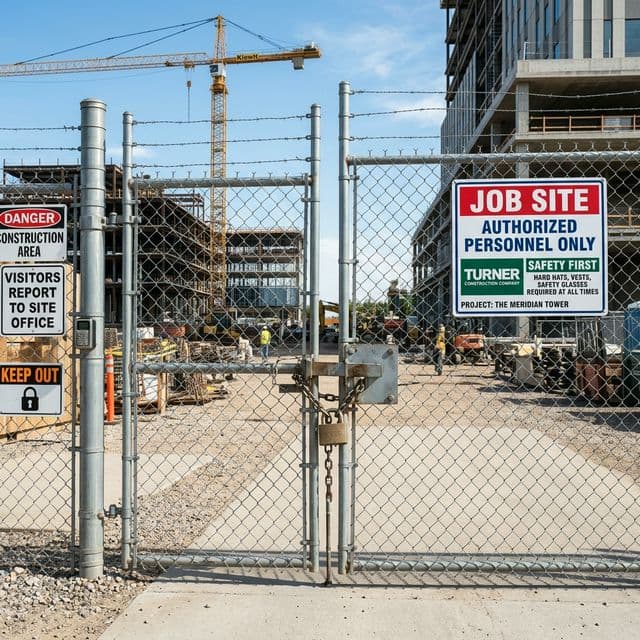
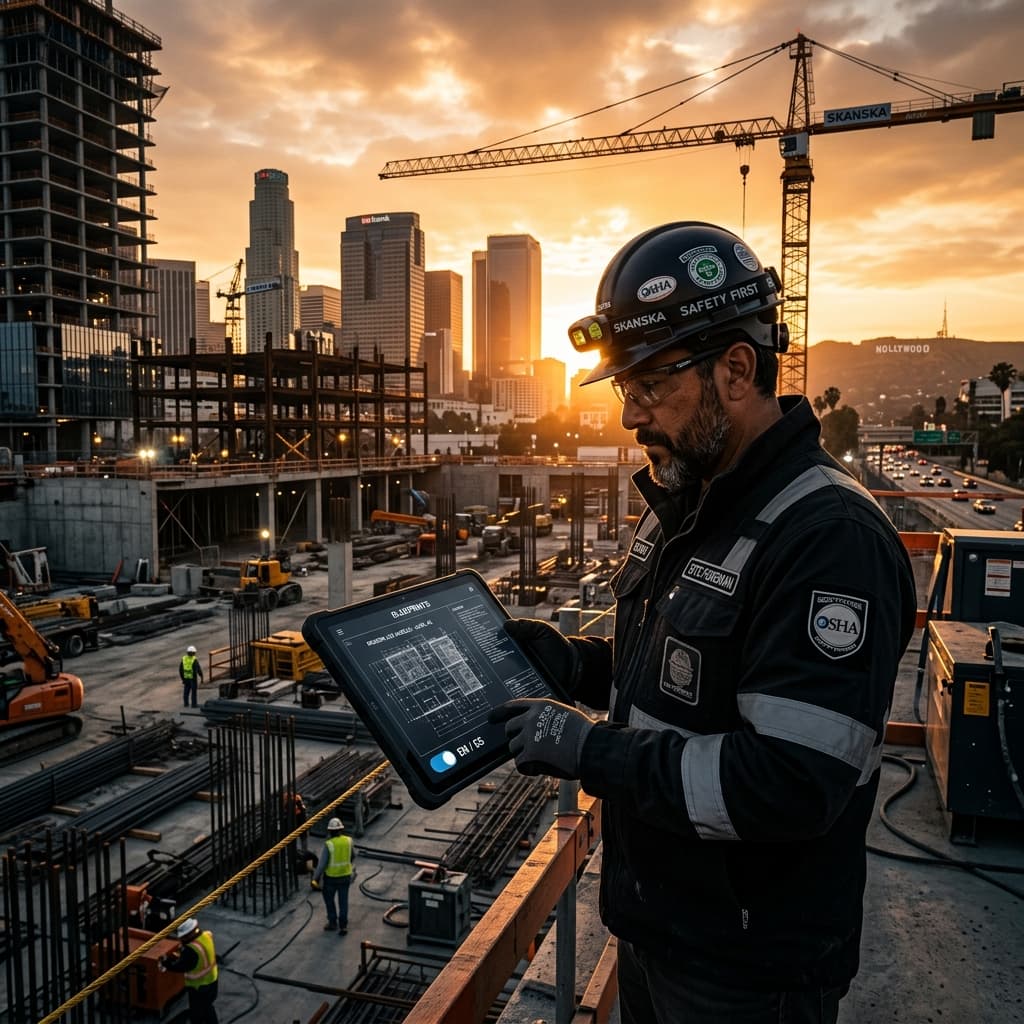
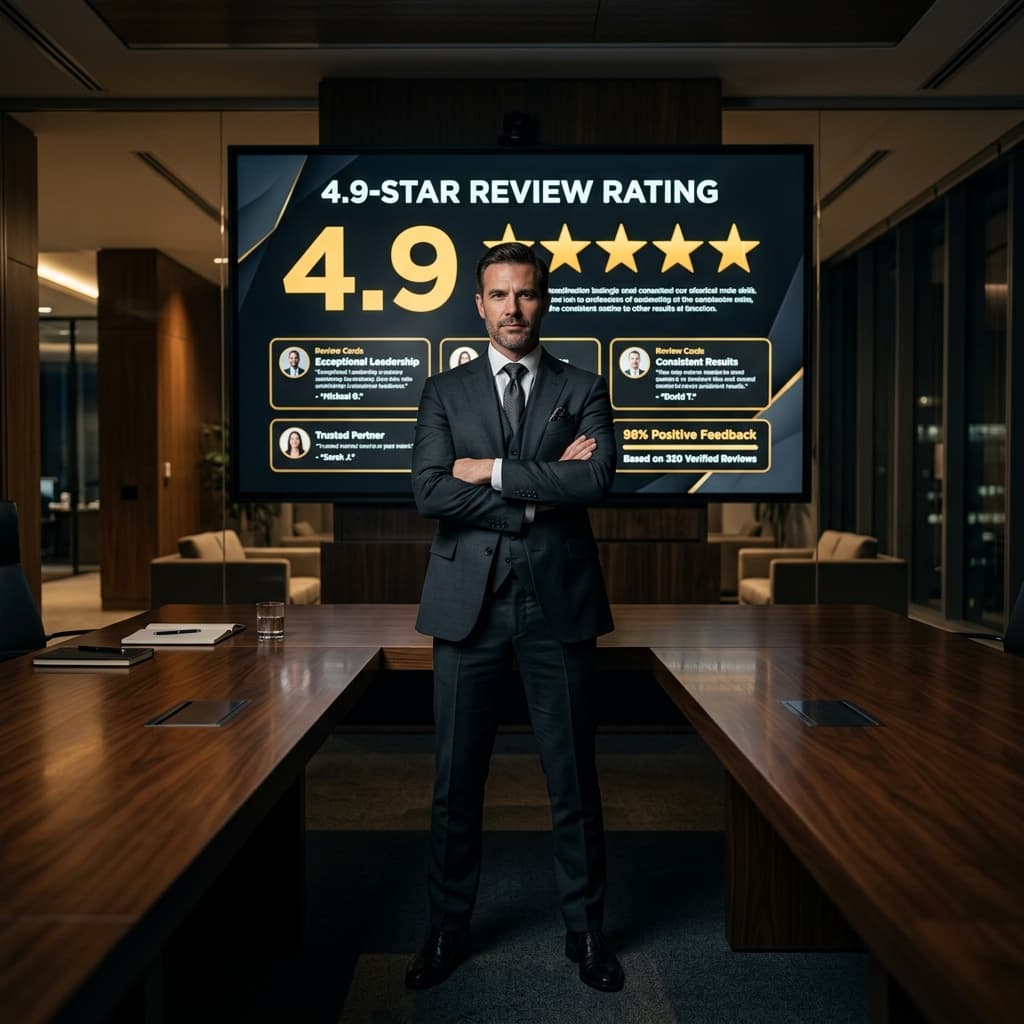
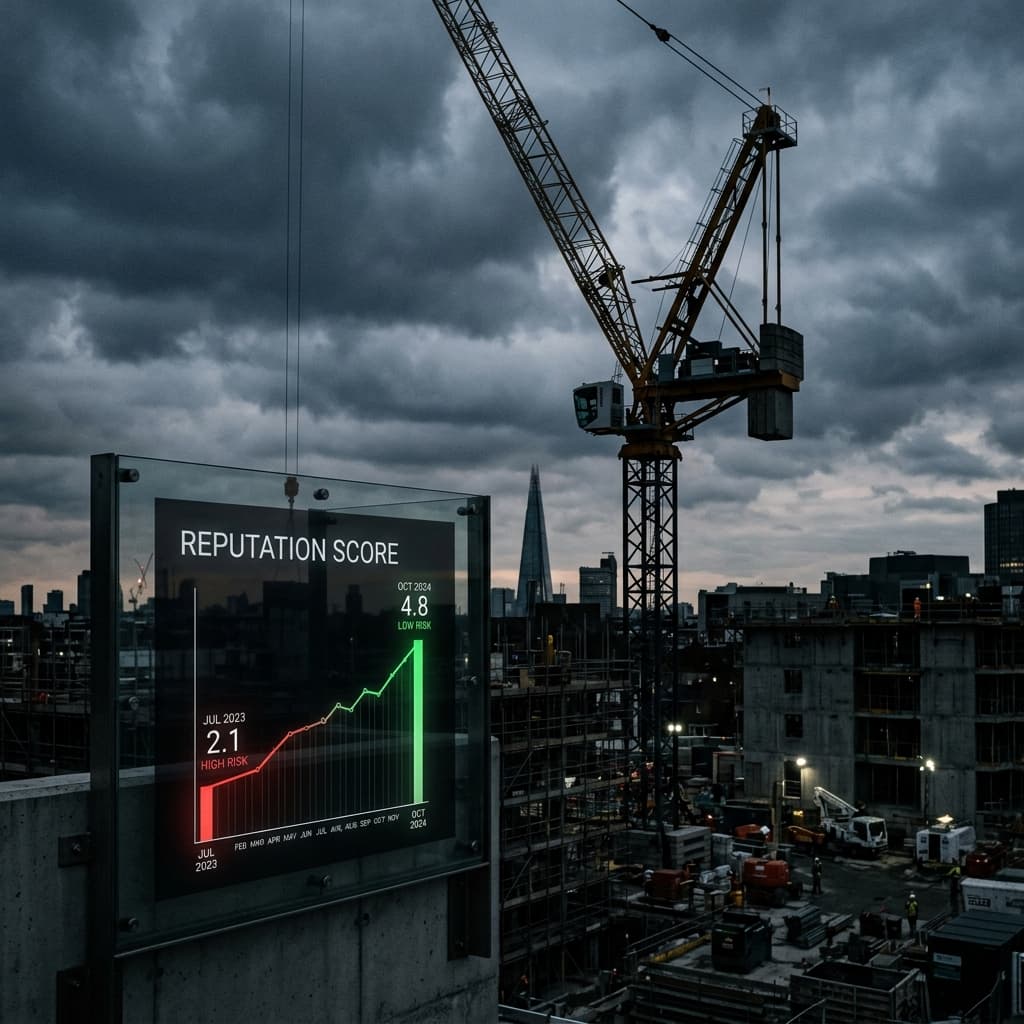
In California commercial construction, a "guy you know" is not a subcontractor strategy; it is a liability vector. When your framing crew fails to mobilize in Los Angeles because their workers' compensation insurance lapsed 24 hours prior, your entire critical path implodes. You are immediately exposed to $5,000-a-day liquidated damages clauses from the developer. The era of the chaotic Rolodex and text-message dispatching is over. Elite General Contractors do not hire labor; they engineer highly militarized, legally vetted supply chains. It is time to architect the Digital Dossier and dominate the California subcontractor network.
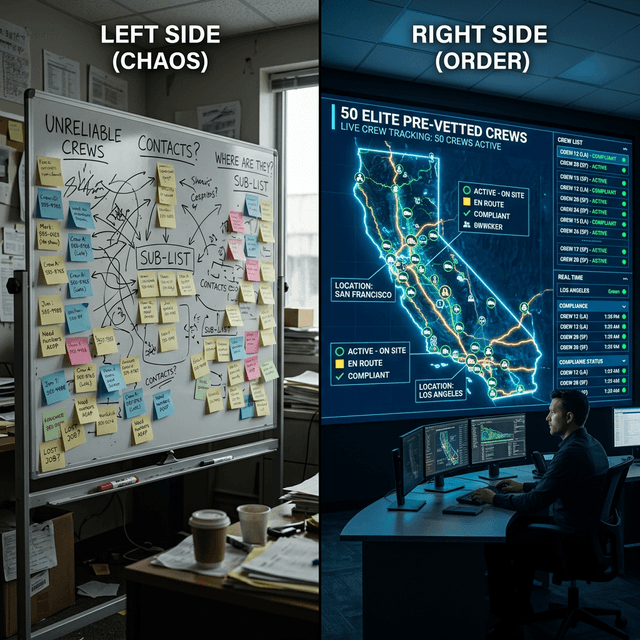
The Devastation of the "No-Show"
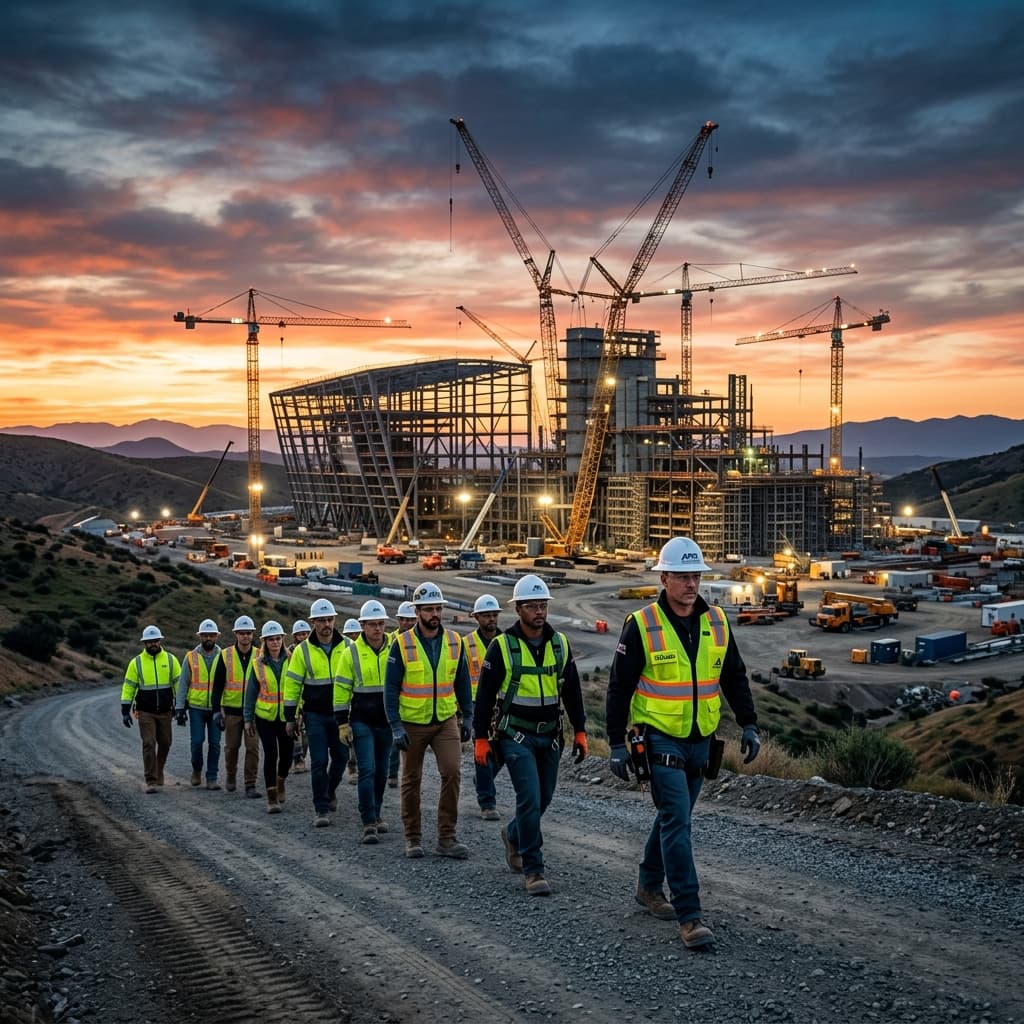
A general contractor is only as lethal as the lowest-performing subcontractor on their job site. You can secure a $5M tilt-up warehouse contract in Riverside, architect the perfect Gantt chart, and procure materials 12 weeks in advance. But if your concrete pour team vanishes on a Tuesday because they took a higher-paying residential job in Orange County, your operational superiority is mathematically reduced to zero.
The California construction market is violently competitive. Labor shortages are structural, not temporary. In this environment, loyalty is a myth. You must replace manual relationship management with automated, contractually binding digital architecture.
- The CSLB License Trap: If you allow an unlicensed plumbing subcontractor to operate on your commercial site and an accident occurs, you are assuming catastrophic legal and financial liability.
- The Prevailing Wage Nightmare: Government and municipal contracts in California require surgical precision regarding prevailing wage documentation (DIR registration). One data entry error from a subcontractor can halt your payments for 90 days.
- The Workers' Comp Expiration: Subcontractors operate on razor-thin margins. They routinely allow insurance policies to lapse. You must know their policy status before they set foot on your site.
The Liability Vector: Manual Verification
If your project manager is manually calling insurance agents and cross-referencing PDFs to ensure a subcontractor is compliant, you are operating as an amateur. Human error in compliance verification is inevitable. You must build systems that eliminate human data transfer entirely.
Architecting the Alliance Matrix
You must fundamentally shift from "networking" to "systematic onboarding." You are building an elite, closed-loop roster of vetted Tier-1 professionals. This begins on your corporate landing page.
Stop hiding a basic `mailto:` tag at the bottom of your footer saying "Subcontractors email us here." You must build a highly aggressive, 15-point Digital Dossier portal built in Next.js.
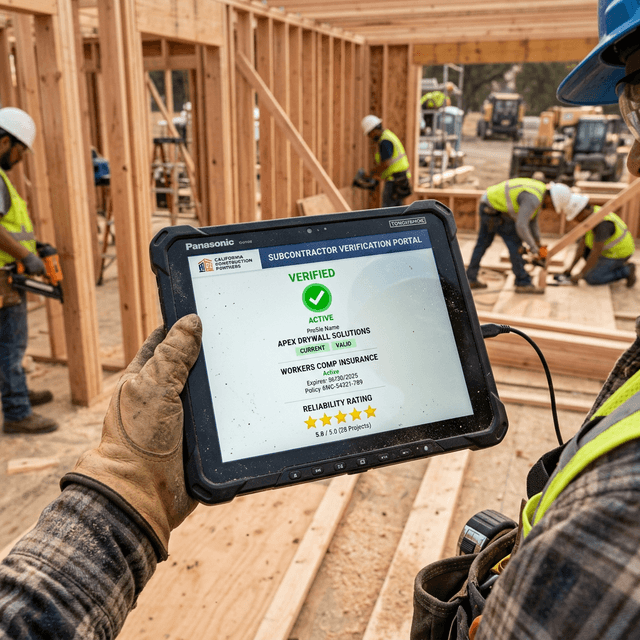
Engineering The Subcontractor Onboarding Flow
When an electrical subcontractor wants to bid on your $10M medical facility project in Sacramento, they do not email you a PDF. They enter your Subcontractor Portal. The system must demand:
- CSLB License API Validation: Before they can submit the form, they enter their California Contractors State License Board number. The portal pings the CSLB API in real-time. If the license is suspended, the form forcefully rejects them immediately.
- Insurance Certificate Uploads: Mandatory file uploads for $2M General Liability and current Workers' Compensation certificates.
- Financial Bonding Capacity: Rigid dropdown menus forcing them to declare their maximum single-project bonding capacity. You cannot assign a $500k plumbing contract to a team bonded for $50k.
- Historical Lethality: Required uploads of 3 similar commercial projects completed within the last 24 months, including GC references.
The Command Center Mentality
The portal filters out the unreliable operators before your project managers ever review a file. Once a subcontractor passes the Digital Dossier gauntlet, they enter your Alliance Matrix.
This is where elite GCs separate from commodity bidders. You now possess a highly secure, aggressively vetted database of the most reliable tradesmen in California. When an emergency tenant improvement contract lands on your desk on a Friday at 4:30 PM, you do not panic.
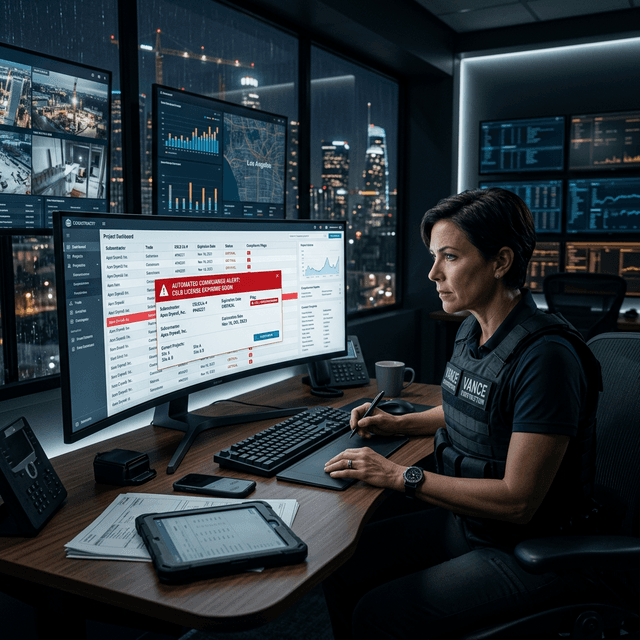
The Automated Dispatch: You query your matrix for "Drywall", "Los Angeles County", "Active Workers Comp", and "Available Next Week". The system outputs the 3 exact teams that match the parameters. You dispatch the blueprints directly through the portal. They bid within 24 hours. You win the contract. You execute flawlessly.
The Lemonade Ideas Solution: Enterprise Intelligence
You cannot orchestrate this level of California commercial dominance with sticky notes and Excel spreadsheets. You must build proprietary software infrastructure.
Architecting The Digital Supply Chain
At Lemonade Ideas, we architect the exact Next.js portals that General Contractors use to onboard and deploy elite subcontractor networks. We build the automated CSLB verification logic, the secure document upload vaults, and the strategic CRM integrations that transform your operation from a disjointed bidding company into a highly orchestrated military-grade logistics machine.
Final Verdict: Amateurs Hire Labor. Pros Build Systems.
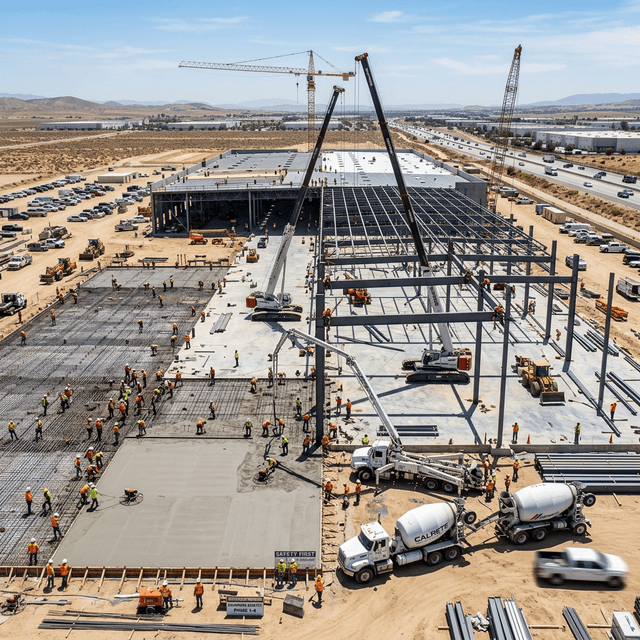
Your general contracting firm is only as scaling-capable as your subcontractor roster. If you are constantly begging tradesmen to show up, you are capped at small-time residential builds.
To dominate the sprawling, highly-regulated California commercial market, you must engineer a barricade that only elite tradesmen can penetrate. Build the portal. Force the compliance uploads. Verify the licenses before they set foot on your site. Construct the ultimate Subcontractor Alliance Matrix and watch your project delays vanish overnight.

Engineer Your Subcontractor Portal
Are you hemorrhaging capital due to unreliable labor and lapsed compliance paperwork? Lemonade Ideas architects absolute supply chain dominance for General Contractors. We build the high-end Next.js web portals that automatically vet, onboard, and organize the most elite subcontractors in California.
Architect Your Network