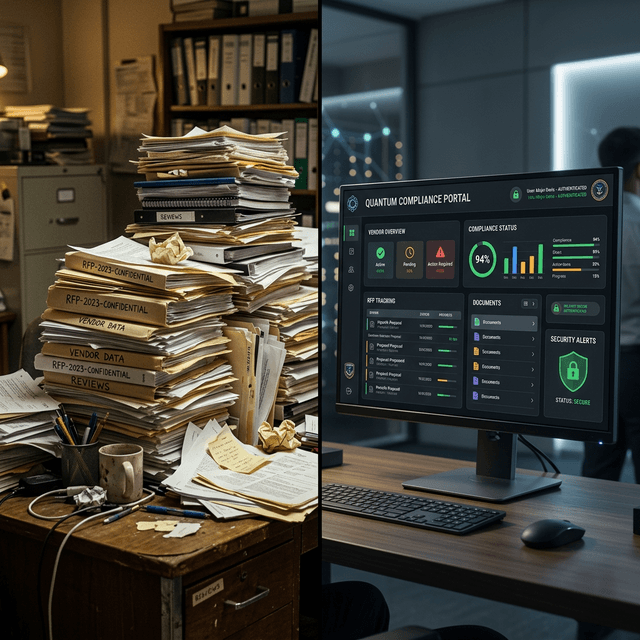
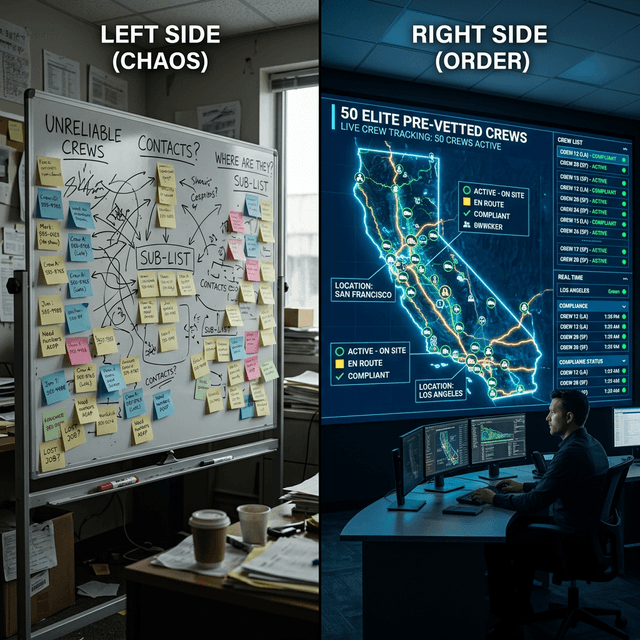
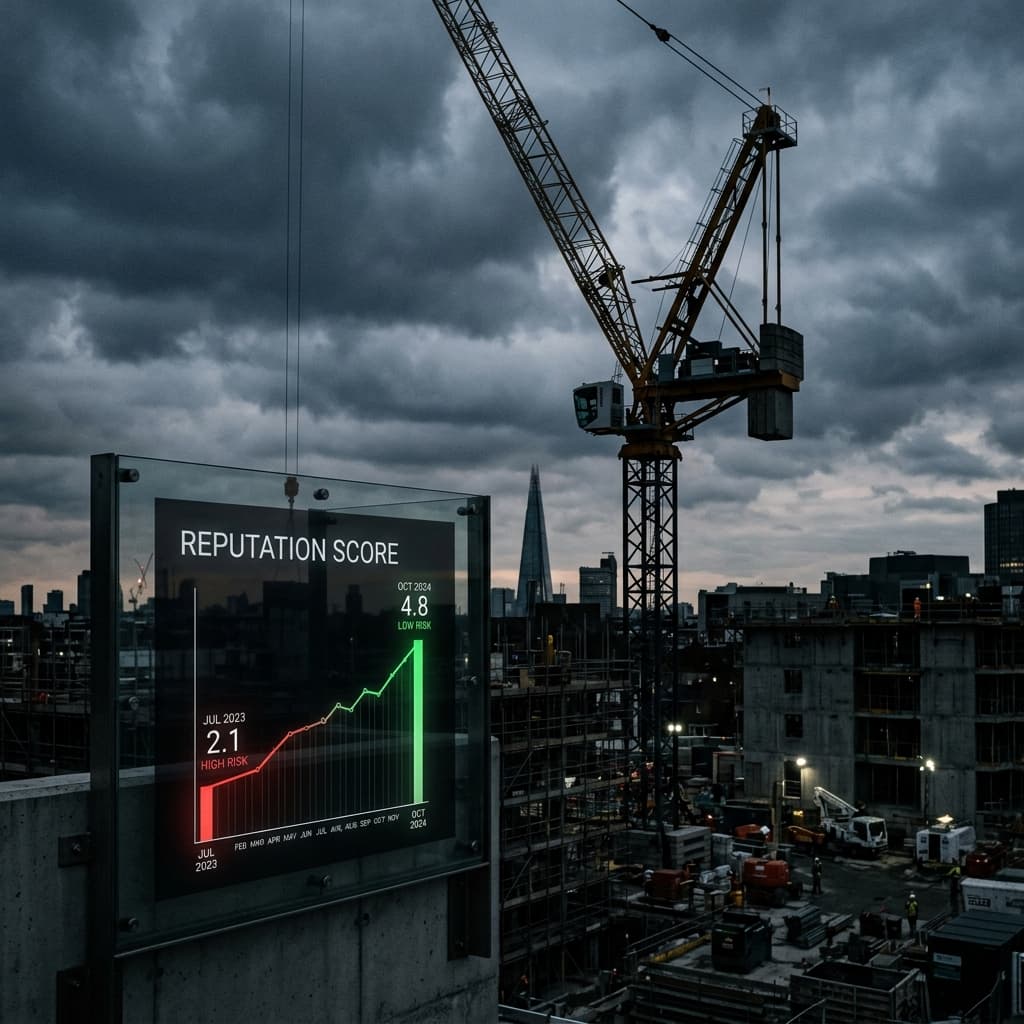
"We didn't realize the island was going to block that hallway." It is the most expensive sentence a custom builder or commercial developer can hear. Six months into a build, the drywall is up, the millwork is staged, and suddenly the client's spatial reality crashes into the 2D floor plans they signed off on blindly. What ensues is a brutal change order negotiation, eroded client trust, and a compromised timeline. Here is the engineering reality: 90% of your clients suffer from spatial illiteracy. They cannot translate a top-down architectural layout into three-dimensional volume. In this breakdown, we dissect exactly why deploying interactive 3D Virtual Tours during the pre-construction phase has evolved from a marketing gimmick into the most critical liability shield an 8-figure contractor can wield.
The True Cost of Spatial Illiteracy
I recently sat through a debrief with a commercial interior build-out firm operating out of Irvine. Over the past trailing 12 months, their average net margin per project had compressed from 18% down to 11%. When we audited their operational forensics, the culprit wasn't macroeconomic supply chain issues or labor costs. It was the sheer volume of "mid-flight adjustments".
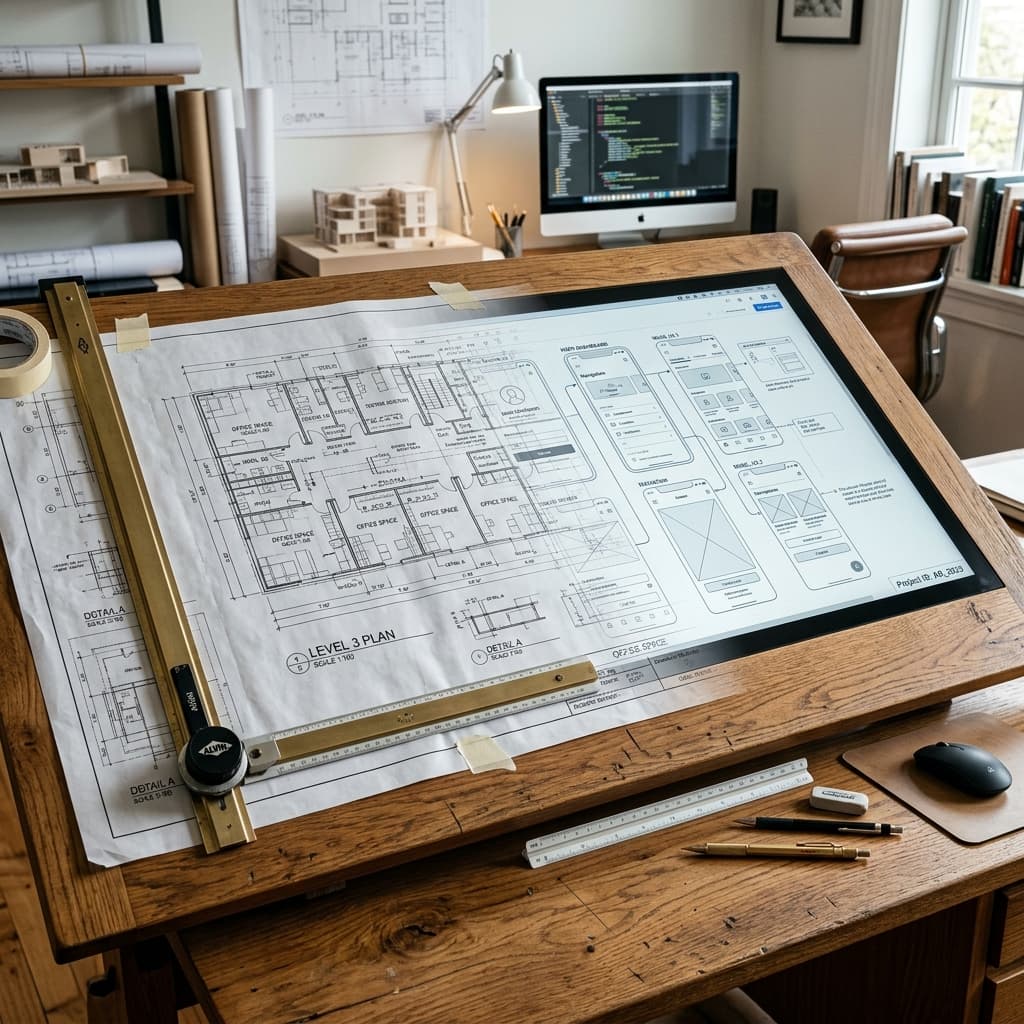
When a developer or a tenant signs a contract based on a set of 2D CAD drawings, they are committing to an abstraction. To a seasoned architect, a 1/4" scale line drawing is a vivid space. To a tech CEO leasing a new campus, it's just a grid. When the framing goes up, the abstraction becomes physical truth. The CEO walks the space and realizes the conference room feels remarkably claustrophobic, or that the sightline from the reception desk directly intersects with the restrooms.
This triggers a Scope Creep Cascade: 1. The client demands a layout change. 2. The contractor must issue a change order, stalling production. 3. The client pushes back on the change order pricing, feeling "misled." 4. The relationship sours, the schedule shifts, and the profit margin disintegrates in overhead delays.
The "Free Render" Trap
Many builders attempt to fix this by throwing two or three static 3D exported JPEGs from SketchUp or Revit into the proposal. This is fundamentally inadequate. A static rendering is just a photograph of a theoretical room from a single, heavily manipulated angle. It does not convey volume. It does not convey flow. If the client cannot digitally walk around the kitchen island or look up at the ceiling height from a seated perspective, you have not solved the problem. You have just provided a prettier abstraction.
How the 3D Virtual Tour Actually Works (The Pipeline)
In the modern B2B construction pipeline, a 3D Virtual Tour (often hosted via platforms like Matterport, Unreal Engine, or specialized WebGL embeds) is deployed at two highly critical junctures: The Pitch and The Pre-Construction Sign-Off.
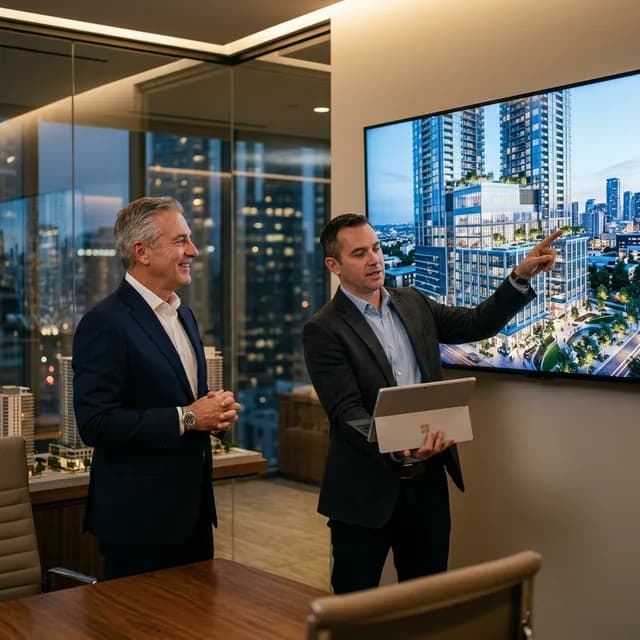
During the initial pitch, presenting a portfolio of past projects using interactive 3D tours instantly positions you as a premium, risk-averse operation. When a prospect can use their mouse to physically "walk" through a commercial plaza you built two years ago—scrutinizing the millwork corners and the lighting design—you bypass the need for physical reference checks. The data speaks for itself.
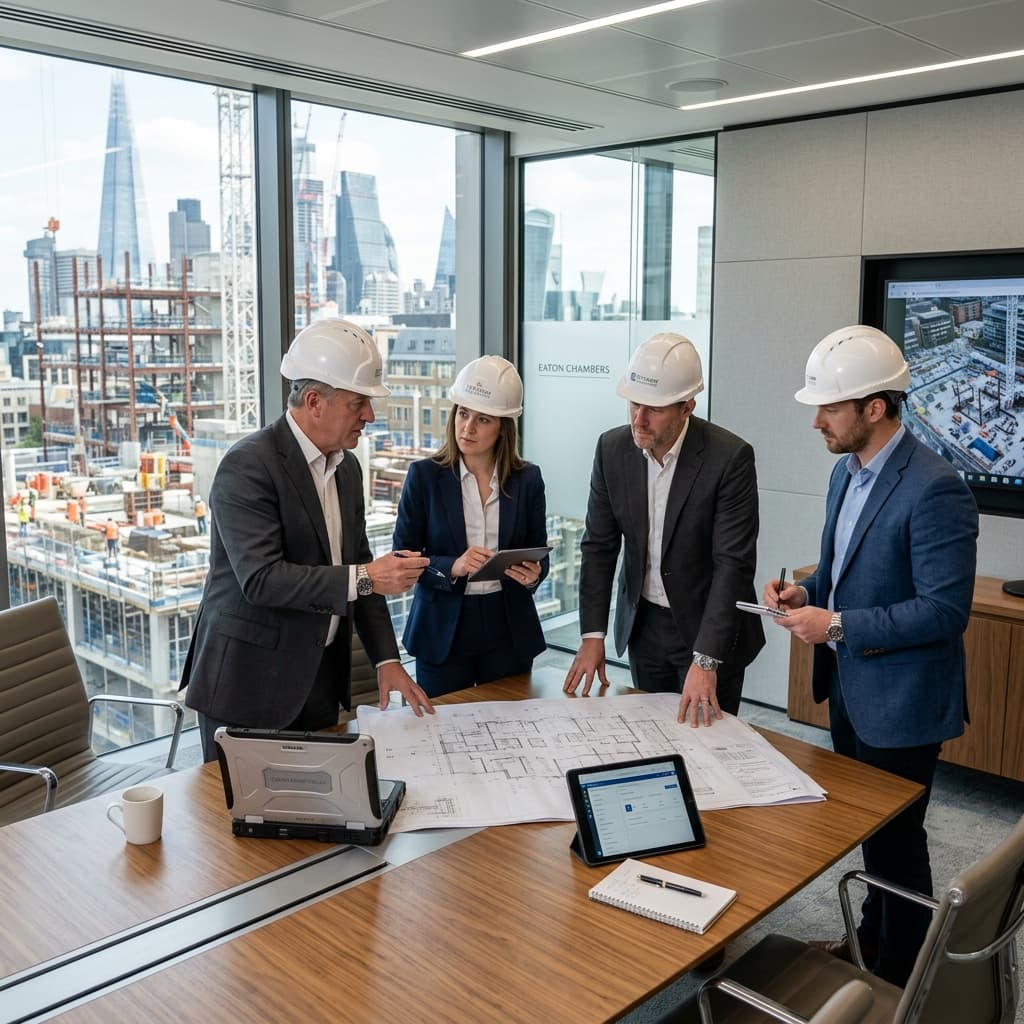
However, the true weaponization of this technology occurs during Pre-Construction. Here is the operational workflow we implement for 8-figure design-build firms:
- Phase 1: The BIM Translation. The architect's Revit or AutoCAD files are imported into a high-fidelity rendering engine (like Lumion or Unreal Engine).
- Phase 2: Texturing & Lighting. True-to-life finishes are applied. If the specs call for matte black fixtures and white oak flooring, those exact textures are mapped. Accurate geo-located sunlight is simulated.
- Phase 3: The 360-Degree Export. The environment is rendered into a navigable space.
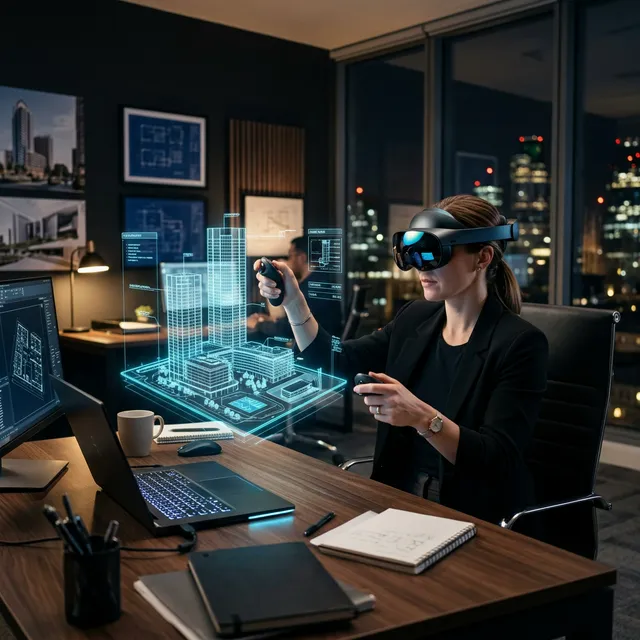
- Phase 4: The Execution Meeting. The client is put into a VR headset or situated in front of a massive monitor. They virtually walk the space. They approve the sightlines. They sign a secondary addendum stating that the spatial volume has been visually verified.
Bridging the Office to the Jobsite
The utility of the 3D asset does not expire once the ink dries on the contract. It becomes the ultimate source of truth for the field teams.
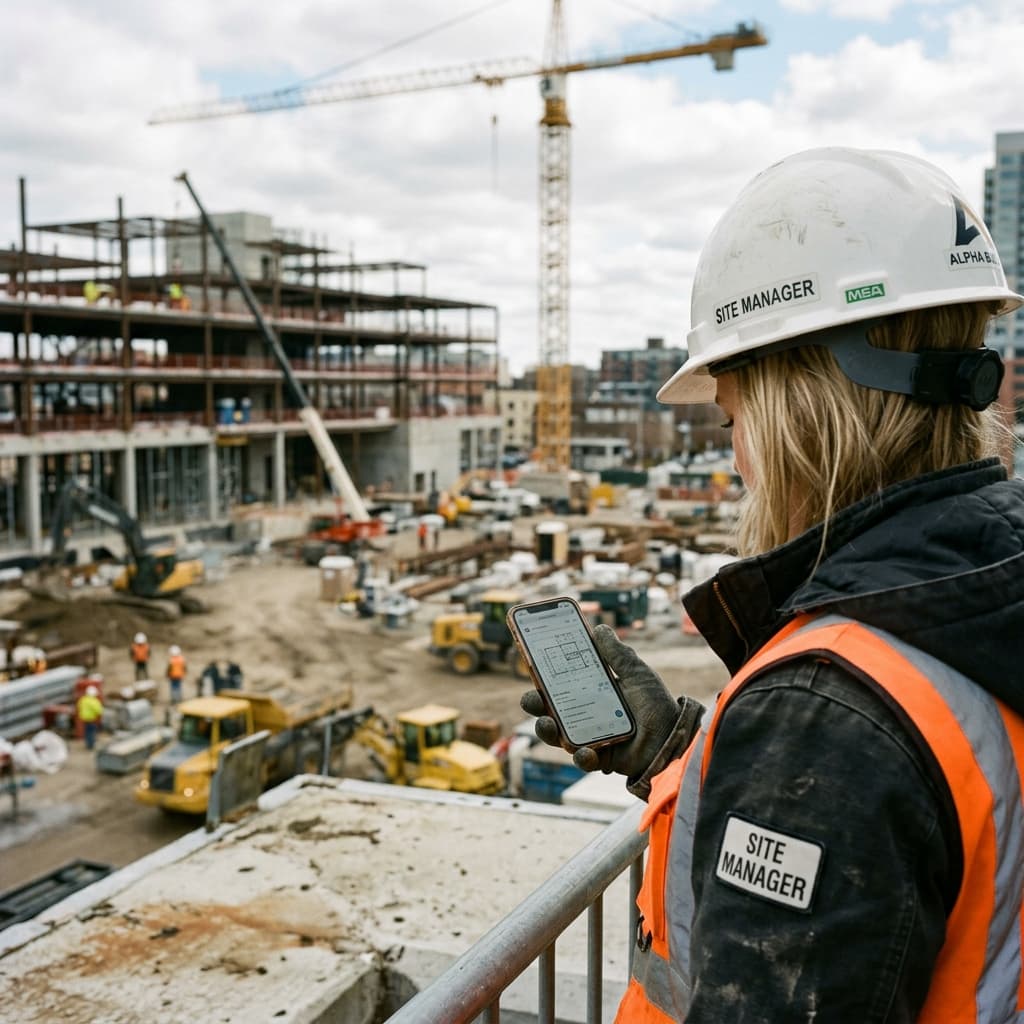
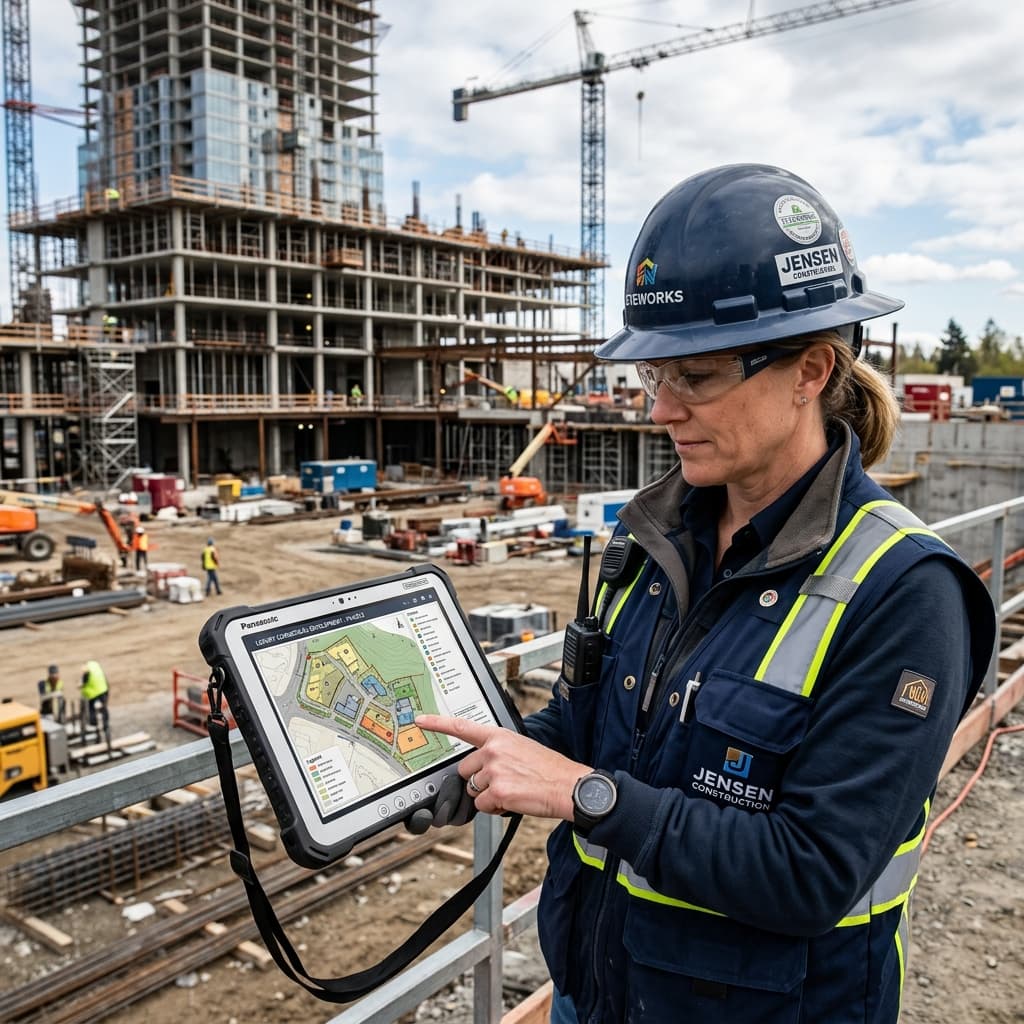
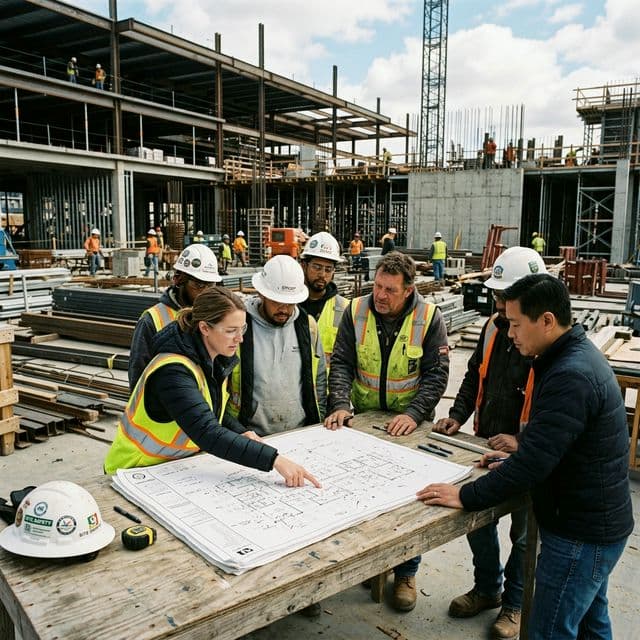
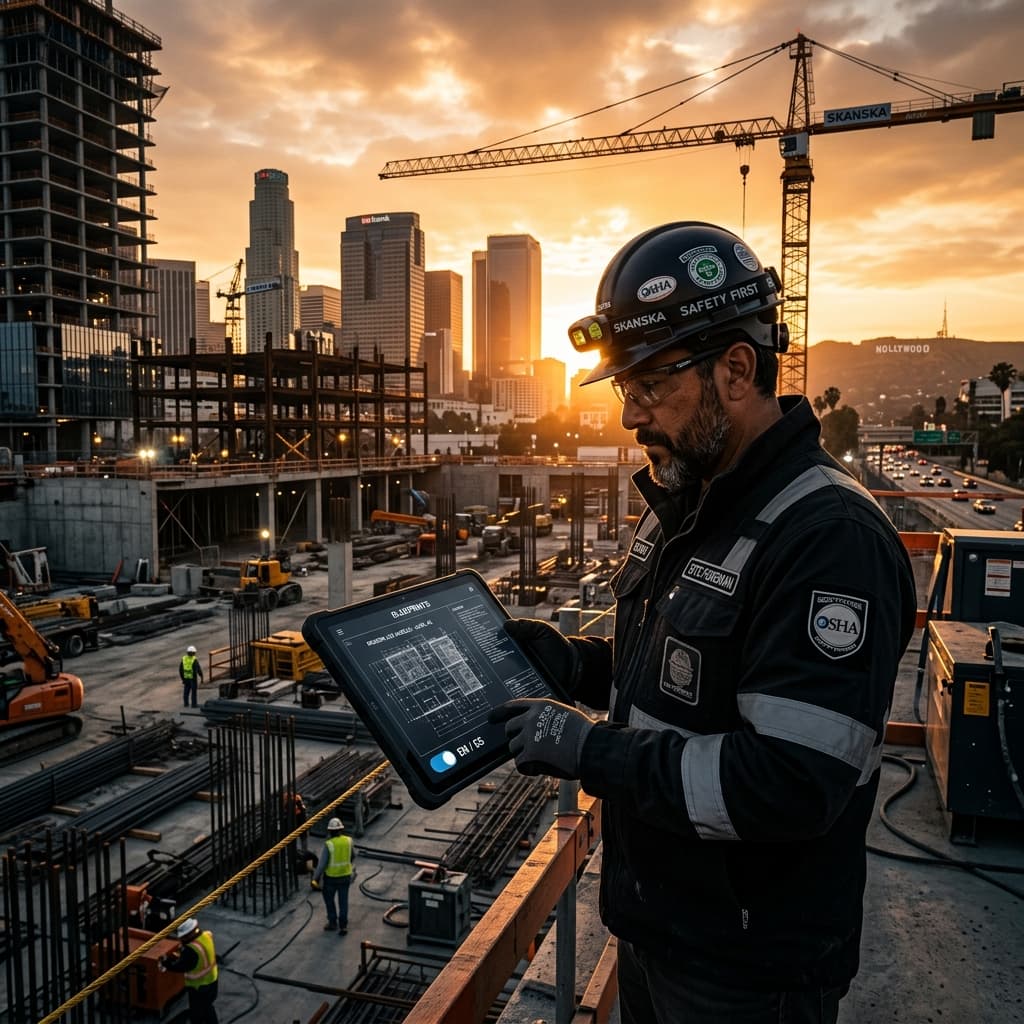
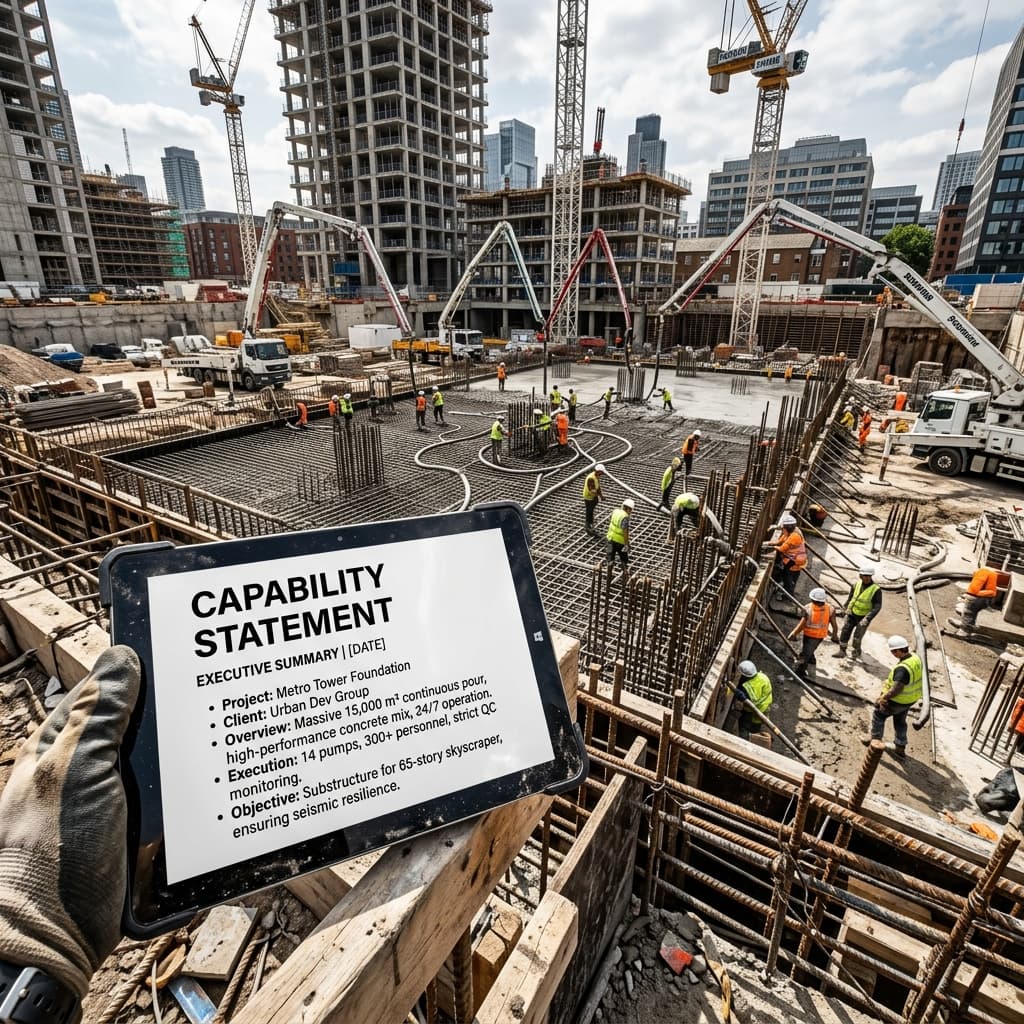
One of the most profound disconnects in construction is the rift between the design team and the framing crews. A set of plans can be immaculate, but human error in reading 2D specifications on a dusty, chaotic active site is guaranteed. By equipping your site superintendents with ruggedized iPads loaded with the pre-construction 3D tour, you eliminate ambiguity.
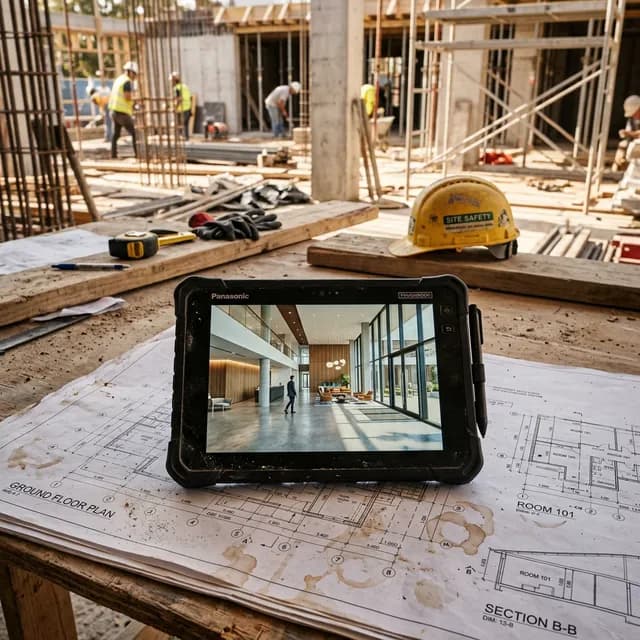
When a framer holds up a tablet and sees the finalized 3D space superimposed over the rough framing, questions about soffit drops, HVAC bulkheads, or asymmetrical window placements vanish. The tablet acts as an augmented reality window into the future. It is a visual fail-safe that catches deviations before drywall covers the mistakes.
Advanced Site Scanning & As-Builts
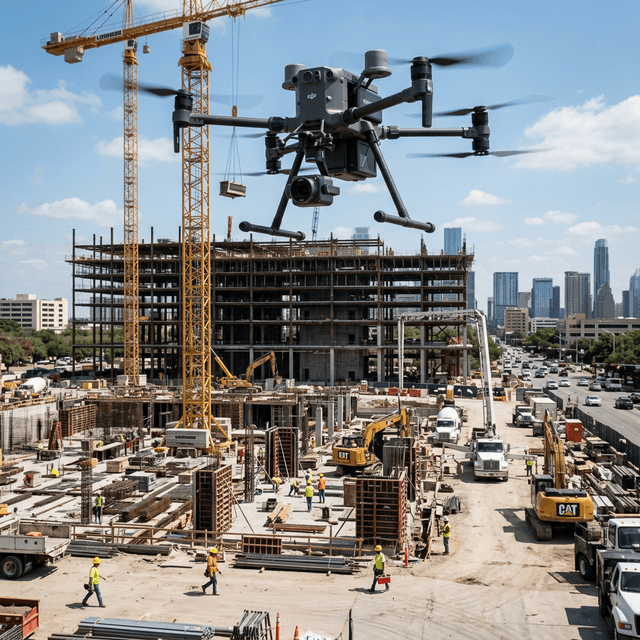
The final evolution of this technology flips the timeline. Instead of rendering a future state, elite contractors are using drone-based LiDAR and photogrammetry to scan existing site conditions before a shovel hits the dirt.
If your firm is engaged in aggressive commercial retrofitting or heavy civil contracting, relying on 20-year-old municipal utility maps is a gamble. We've seen projects delayed by literal months because an excavation crew struck an unmarked concrete vault that wasn't on the original site plan.
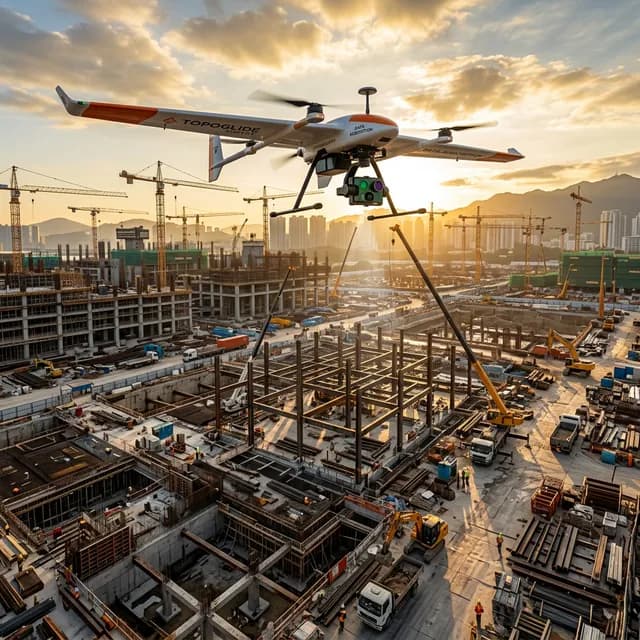
By flying a programmatic drone grid over a site, you generate an exact, millimeter-accurate 3D point cloud. This topographic model is then fed directly into the estimating software. Your cut/fill calculations transition from "educated guesses" to absolute mathematical certainties. You can show a developer a 3D cross-section of their own dirt, justifying exactly why the excavation phase is priced the way it is. Transparency builds trust, and trust eliminates price objections.
Trade-Offs & Known Limitations
What is the catch? Why isn't every contractor doing this?
1. The Cost of Entry. Generating true navigational 3D spaces requires significant computational overhead and highly specialized software engineering personnel. A single high-fidelity VR pre-model can cost upward of $5,000 to $15,000 to produce depending on the square footage. This means the strategy only mathematically scales for projects with a gross contract value exceeding $500,000. For small residential remodels, the cost-benefit ratio simply collapses.
2. The Bottleneck of Rendering Time. If a client requests a minor modification to a 2D floor plan—say, moving a demising wall two feet to the left—it takes an architect five minutes. If they request that same change inside a baked 3D environment, the model must be adjusted, the lighting recalculated, and the virtual space re-rendered. This injects latency into the revision cycle.
The Solution: You must legally gate the 3D phase. You only begin the expensive 3D virtualization process after the 2D spatial footprint has been hard-locked and signed off by the client. The 3D tour is for final visual validation and texture approval, not for structural brainstorming.
The SEO Marketing Byproduct
Beyond operational defense, compressing these 3D environments into WebGL embedded tours strictly on your custom website drastically increases a metric known as "Time on Page." When a prospect lands on your site and spends 4.5 minutes navigating a virtual clinic you built, Google's algorithm registers massive user engagement. This directly and aggressively influences your Page 1 organic ranking. You are simultaneously defending your margin and attacking the search engine hierarchy.
We are rapidly exiting the era where clients accept architectural abstraction. To command premium bids in a competitive commercial market, you must sell the absolute certainty of the finished product.

Stop Selling Abstraction. Start Selling Reality.
Are your margins bleeding out in endless change order disputes? If your pre-construction phase lacks immersive visualization, you are leaving your reputation to the client's imagination. Let us engineer a digital infrastructure that protects your profit.
Request a Strategy Session