
How do contractors optimize for Voice Search?
Optimize for natural, conversational questions rather than short keywords. Voice searches are typically 3-5 words longer than text searches (e.g., "Who keeps opening 24 hours?" vs. "Plumber near me"). To capture this traffic, structure your content with direct Answer Blocks (FAQs) that specifically address these questions. Ensure your Google Business Profile is flawless, as Siri/Alexa heavily rely on local map data for "near me" queries. Finally, implement Schema Markup so search engines can easily read your business hours and services aloud.
"Hey Siri, find me a roofer."
"Alexa, call the best electrician in Dallas."
Ten years ago, this was science fiction. Today, over 50% of all searches are voice-activated. This shift is massive, and it is killing the contractors who refuse to adapt. Why? Because when you type into Google, you get 10 results. When you ask Siri, you often get ONE.
Being #2 in voice search means you are invisible. You must be the single best answer. This guide will show you how to capture that top spot.
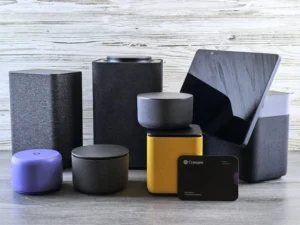
The "Single Answer" Problem
Voice search is winner-take-all. Smart speakers don't read a list of 10 plumbers; they read the Featured Snippet (Position Zero) or the #1 ranking in the Local Pack.
If your website isn't structured to provide that single, definitive answer, Alexa ignores you. This means standard SEO (just having keywords) isn't enough. You need Conversational SEO.
How Voice Queries Differ from Text
Think about how you type versus how you speak.
| Platform | Type of Query | The Strategy |
|---|---|---|
| Desktop/Mobile Text | "HVAC repair cost" (Short, robotic) | Keywords in H1/H2 tags |
| Voice Assist | "How much does it usually cost to fix an AC unit?" (Long, natural) | Direct Q&A format in body text |
To win, you must mirror the language of your customer. Your website should literally "speak" back to them.

Strategy 1: Target "Near Me" Intent
Voice searches have overwhelmingly local intent. "Coffee shop near me." "Plumber near me."
To dominate these:
- Claim Your Google Business Profile: This is non-negotiable. Fill out every field.
- Use Hyper-Local Keywords: Don't just say "We serve the metro area." Say "We serve The Heights, River Oaks, and Montrose."
- Mention Landmarks: "Located just 2 blocks from Minute Maid Park." This gives context to the AI.
Strategy 2: The FAQ Section is Your Secret Weapon
The FAQ page is the most powerful tool for voice search optimization. By listing questions exactly as people ask them, you effectively feed the answer directly to Google.
Good FAQ Structure:
Q: How long does a roof replacement take? (The exact query)
A: A typical roof replacement takes 1 to 3 days, depending on weather and size. (The direct, concise answer).
Notice the answer starts immediately. No fluff. No "Well, it depends..." intro. Get to the point. Google loves directness.

Strategy 3: Speed is Critical
Voice search is often used on mobile, on the go, or in emergencies. If your site takes 5 seconds to load, the voice assistant will skip you. It needs to fetch the data instantly.
Aim for a Load Time of under 2.5 seconds. Optimize images (WebP format), minify code, and use a fast host.
Is Your Site Fast Enough for Siri?
We optimize your site speed and structure so voice assistants can find you first.
Check My SpeedStrategy 4: Speak "Robot" with Schema Markup
Schema is hidden code that tells search engines exactly what your content means. It's like a name tag for your data.
For contractors, you need LocalBusiness Schema that explicitly states:
- Your Name
- Address
- Phone Number
- Opening Hours
- "AcceptsReservations": True/False
When you have this, Alexa can confidently say, "Yes, Elite Plumbing is open right now." Without it, she might say, "I'm not sure about their hours." And you lose the customer.
FAQ: Voice Search
Q: Does voice search affect my regular SEO?
Yes, positively. Optimizing for conversational queries improves user experience and "Time on Site," which
boosts your overall rankings. It's a win-win.
Q: Which device is most important?
Smartphones dominate (Siri/Google Assistant), followed by smart speakers (Alexa/Google Home). Optimizing for
mobile local search covers 80% of the bases.
Q: Can I pay to rank #1 in voice?
Not directly like PPC. Voice results are organic (or Local Services Ads). You have to earn the spot with
quality content and technical SEO.
